I am a world renowned award winning process safety keynote speaker challenging the status quo in process safety leadership. I connect with organisations to improve their process safety capability and outcomes. I do this because people have a right to stay safe at work.
For Executives and other Leaders
Bespoke process safety and material risk related training programs for leaders (Process Safety Culture, Leadership, Accountability and Governance Program)
Due diligence workshops
Leadership coaching
Storytelling workshops and coaching
Understanding your Weak Signals and The Platypus Philosophy®
Process safety and material risk governance reviews and feedback
Public speaking and presentations on a range of topics
After almost 30 years work I have had some time to reflect and learnt so many new things. This learning never stops, and I think is part of what keeps me motivated. Some key areas I find fascinating are leadership, learning in organisations, cognitive biases and storytelling as a means of communication. In my latest thoughts I have been combing these four areas and trying to think about how we can improve our understanding and application of all of them. Some of you will be aware of my recent article for Chemical Processing on storytelling, where I explored how Australia’s First Nation peoples used stories to communicate important life lessons (https://lnkd.in/g6vEGQjD). There is so much we can learn from the First Nations, especially understanding some of their creation stories.
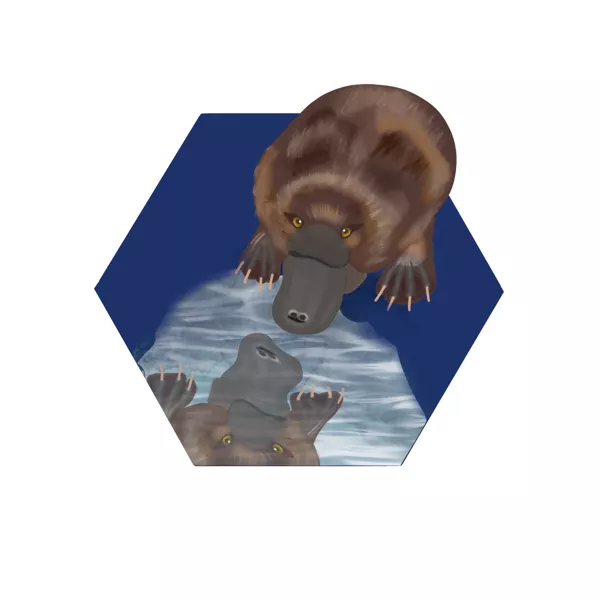
One question in my reflection I keep coming back to is why do we continue to see the same incidents occur? I think part of the answer is we fail to recognise the weak signals that will lead to the incident. This lead me to think about how I could use storytelling help people recognise what weak signals are and then provide a framework to manage them. So “The Platypus Philosophy®” was born. It provides a framework to identify and manage weak signals. The platypus is a unique and unusual animal, that was unbelievable to Europeans before they first examined one in 1799. I believe it is a better analogy for catastrophic incidents than a black swan, because a black swan assumes the event is truly unpredictable, and process safety incidents are not truly unpredictable. But the idea of a creature that appears to be part duck, part beaver, part otter and is an egg laying mammal with the ability to inject a toxin puts the platypus in a unique category. It tells us that even unlikely can occur, and we must be prepared for it. We might see a weak signal, like a partial platypus sighting, just the bill, for example, and assume it is a duck, rather than search to see if we have a platypus lurking somewhere in our facility. If this has piqued your curiosity, I have written a short book explaining The Platypus Philosophy®. You can find it on your local Amazon marketplace.
Listen to my 10 minute ABC Radio National Ockham’s Razor podcast, explaining The Platypus Philosophy® here.
You can order a signed copy of The Platypus Philosophy® here, or The Platypus Philosophy® Lanyard Cards here.
You can order a signe dbook bundle including Let’s Talk About Your Leadership here.

Genuinely be yourself, people see through an act and they want to be around authentic people.

It is a waste of energy and time if your team need to keep trying to predict your mood.

As a leader you won't have all the answers, so don't pretend to, learn from others.

You cannot take people on a journey if you don't know where you are going.

Speaking the truth can be hard and lonely, but a leader must always speak up.

Think about what you did - what worked and what can be improved - reflect on your performance.

Put people first in your decision making, look after their best interests.

They say laughter is the best medicine - so have some fun and a good laugh. It relieves tension and stress.